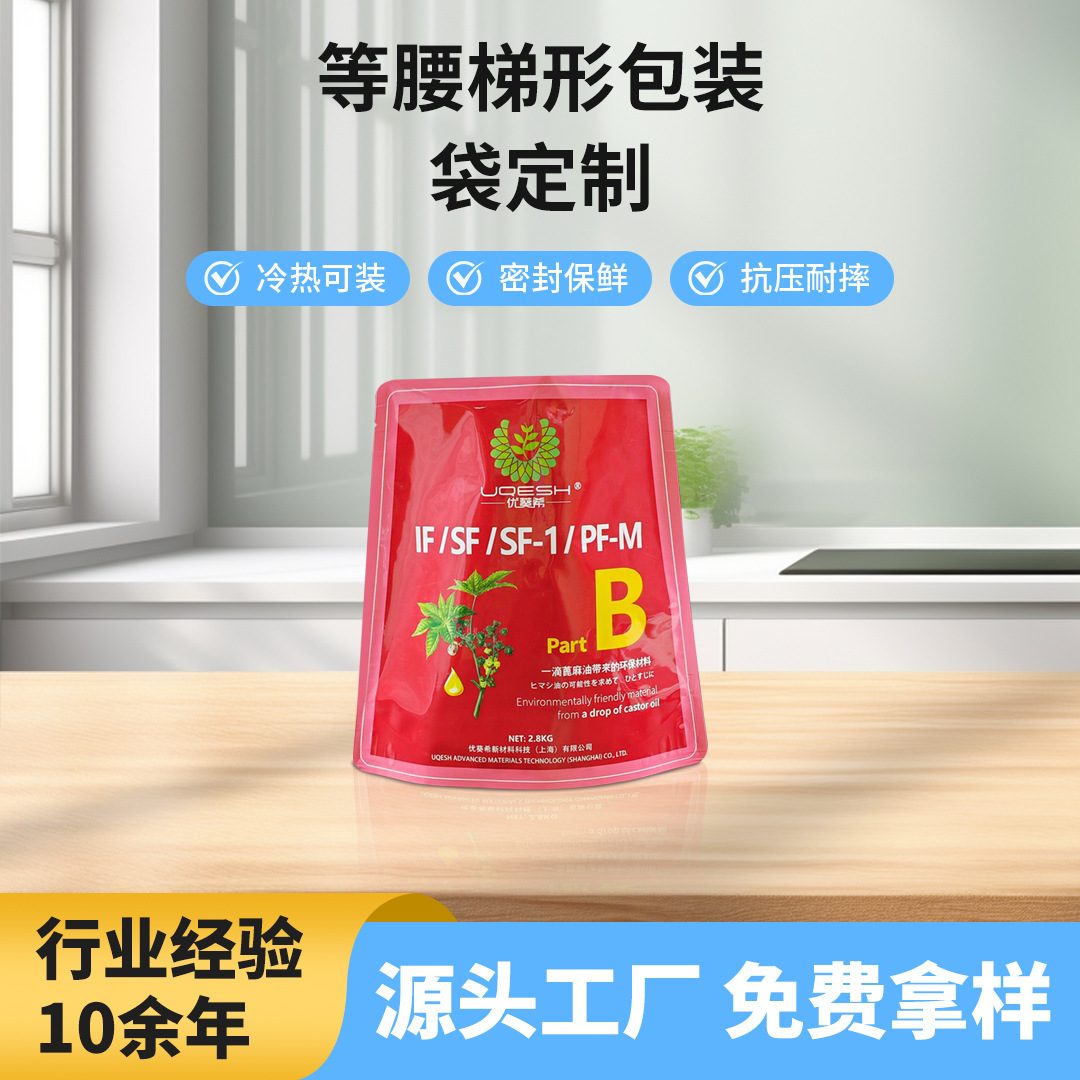
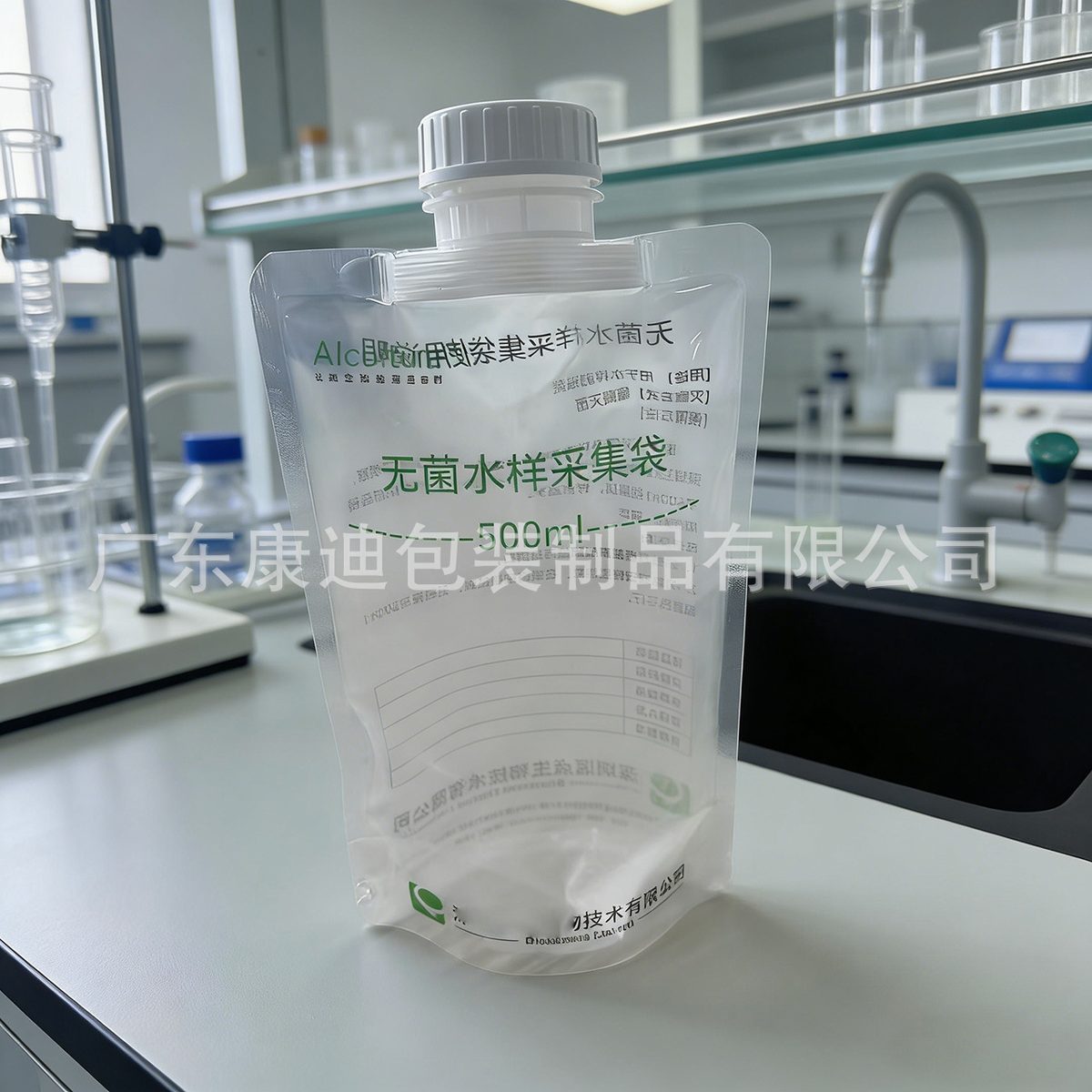
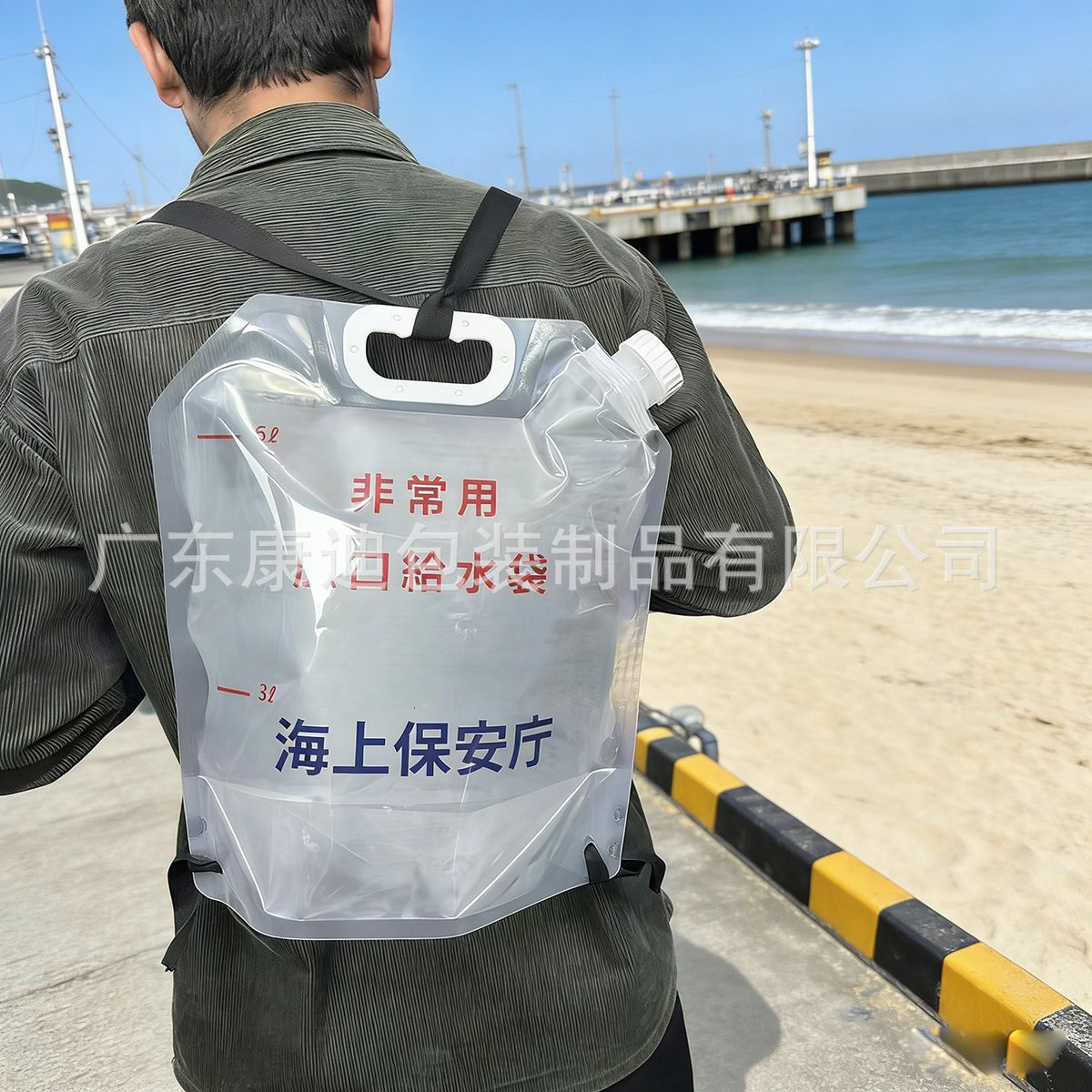
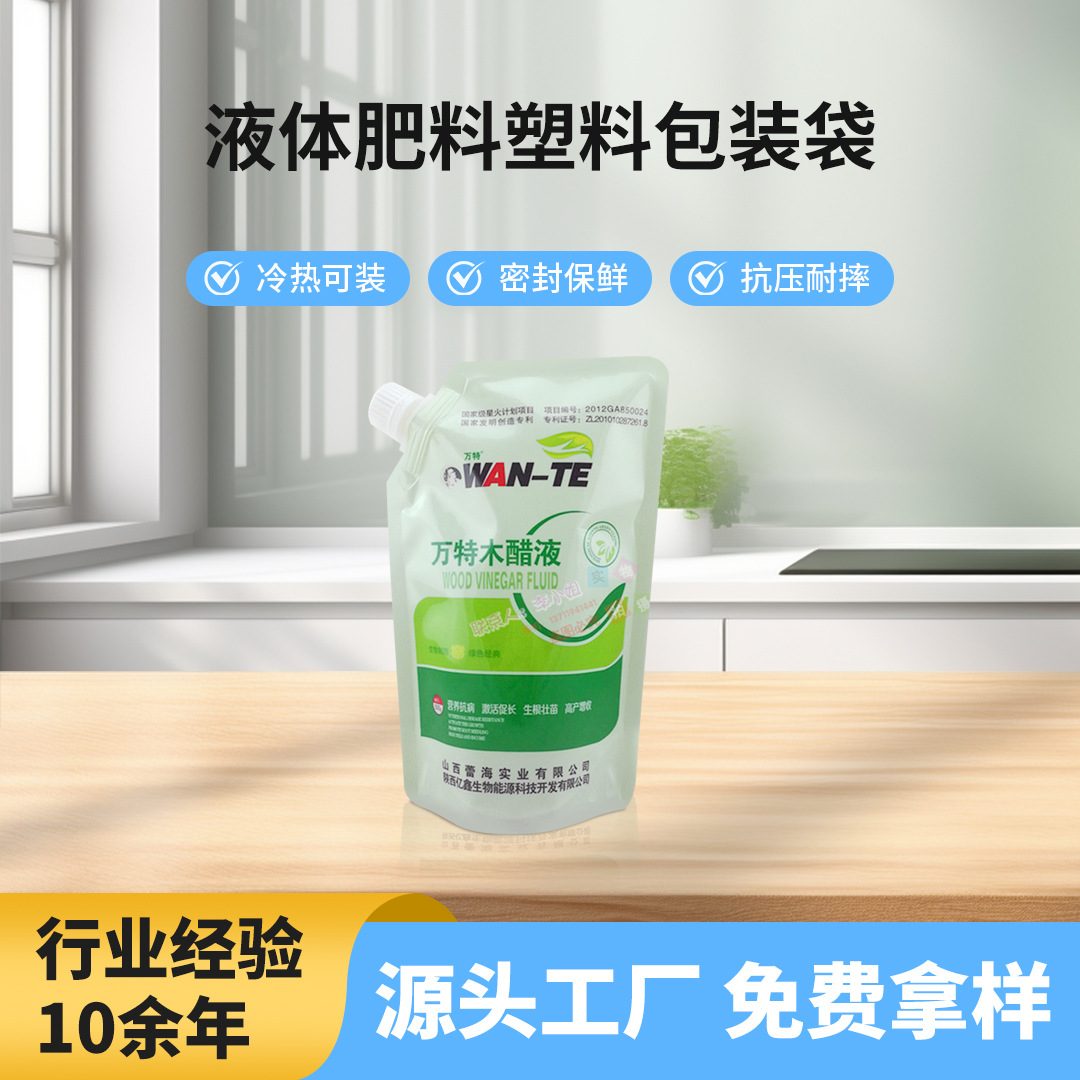
This 5 L Bag-in-Box is built for glass cleaner refill and dispensing on the US East Coast, where chemical resistance and clean handling matter. The collapsible bag uses a chemical-resistant co-extruded PE product-contact layer with a PET/VMPET/PE or PET/AL/PE barrier laminate, selected for ammonia, alcohol and surfactant-based formulas. A welded spout and dispensing valve connect to bag-in-box taps, allowing spout filling, capping and packing into corrugated outers. Standard capacity is 5 L, with 1–20 L formats available on request. The bag is made in our Dongguan clean workshop and can be supplied as roll film or finished bags for filling lines.
Branding is handled with 10-color rotogravure printing on the outer film, giving crisp brand blocks, use instructions and batch-coding areas for East Coast distributor and private-label programs. Artwork can be supplied for cylinder engraving, and we provide pre-production samples before mass production. Typical MOQ is 10,000 bags per size and design, with lower trial quantities discussed for new refill launches. Sampling usually takes 7–10 working days after artwork confirmation; production lead time is about 15–20 working days after sample approval and deposit. The valve, cap color, tube length and box dimensions can be specified to suit manual taps, bag-in-box dispensers or closed-loop refill stations.
For transport, the pack can be specified in UN-rated bag-in-box configurations with approved outer packaging, helping distributors and institutional buyers prepare glass cleaner concentrates for regulated road and warehouse handling. The bag-in-box format supports refill and reuse programs: empty bags collapse for waste reduction, while outer boxes and dispensing taps can be designed for return or recycling where local infrastructure allows. Target users include janitorial suppliers, cleaning-chemical blenders, facilities management teams and light-industrial maintenance departments. We can discuss formula compatibility, fill-temperature limits and closure options before sampling. All statements are project-specific; final UN rating, shelf-life and chemical compatibility should be confirmed through the agreed specification and testing plan.